Learn about your medical certification options, when to consult an FMLA Doctor Online Washington, and how a Physician For PFML Paperwork can help with medical documentation.

When a medical condition affects your ability to work, care for yourself, or meet your daily responsibilities, you may need medical certification to support a leave request or disability-related documentation. However, many people are unsure about what medical certification involves, who can complete it, or what type of documentation they may need.

Whether you’re applying for leave under the Family and Medical Leave Act (FMLA), seeking Paid Family and Medical Leave (PFML) certification, or requesting other forms of medical documentation, understanding your options can make the process much less stressful.

Today, telehealth has made accessing qualified healthcare providers easier than ever. Instead of scheduling multiple in-person visits, many patients can consult an FMLA Doctor Online Washington through a secure virtual appointment. Physicians can evaluate your condition, review your medical history, and complete appropriate medical certification when clinically supported.

If you’re located in Washington, this guide explains the different medical certification options available, the role of your healthcare provider, and how proper preparation can help simplify the process.

What Is Medical Certification?

Medical certification is documentation completed by a licensed healthcare provider after evaluating your health condition. It provides objective clinical information about your diagnosis (when appropriate), symptoms, treatment plan, functional limitations, and how your condition may affect your ability to perform work or daily activities.

Medical certification may be requested by:

  • Employers
  • Leave administrators
  • Insurance providers
  • Government programs
  • Human resources departments

The purpose of certification is to provide accurate medical information—not to guarantee approval for benefits or leave.

When Might You Need Medical Certification?

Medical certification may be required in several situations.

Common examples include:

  • Family and Medical Leave Act (FMLA) requests
  • Paid Family and Medical Leave (PFML) applications
  • Temporary medical leave
  • Workplace accommodations
  • Recovery after surgery
  • Serious illness
  • Pregnancy-related medical conditions
  • Certain mental health conditions

Every situation is unique, and the required documentation depends on your specific circumstances and the applicable program.

Understanding FMLA Medical Certification

The Family and Medical Leave Act (FMLA) allows eligible employees to take job-protected leave for qualifying medical or family reasons. An FMLA Doctor Online Washington evaluates your medical condition and determines whether medical certification is appropriate based on clinical findings.

During the evaluation, your physician may review:

  • Your medical history
  • Current symptoms
  • Functional limitations
  • Ongoing treatment
  • Expected recovery period
  • Ability to perform essential job duties

The physician provides objective medical information while following professional medical standards.

Understanding PFML Certification

Washington’s Paid Family and Medical Leave (PFML) program may require medical certification for qualifying health conditions. A Physician For PFML Paperwork evaluates your medical condition and completes the required certification when it is medically appropriate.

Depending on your situation, the physician may document:

  • Serious health condition
  • Current treatment plan
  • Functional limitations
  • Estimated recovery timeline
  • Medical restrictions
  • Need for leave based on clinical findings

It’s important to understand that physicians do not approve or deny benefits. They provide medical documentation, while eligibility decisions are made by the appropriate leave program administrators. Patients throughout Washington often benefit from discussing documentation requirements with their healthcare provider before submitting paperwork.

How Telehealth Simplifies Medical Certification

Virtual healthcare has made obtaining medical certification more convenient for many patients. Meeting with an FMLA Doctor Online Washington through telehealth offers several advantages:

  • No travel required
  • Flexible appointment scheduling
  • Secure virtual consultations
  • Easier document sharing
  • Reduced waiting room time
  • Convenient follow-up appointments
  • Improved accessibility for patients with mobility limitations

For many individuals, telehealth removes barriers that previously delayed medical evaluations.

What to Prepare Before Your Appointment

Preparation helps your healthcare provider perform a thorough evaluation.

Before your appointment, gather:

  • Medical records
  • Specialist reports
  • Hospital discharge summaries
  • Imaging reports
  • Laboratory results
  • Medication list
  • Previous treatment history
  • Employer or leave program forms
  • Notes about your symptoms and daily limitations

Having organized documentation allows your physician to better understand your medical history.

Keep Digital Copies Ready

If your appointment is virtual, electronic copies of your documents make sharing information easier.

Write Down Important Questions

Preparing questions beforehand helps ensure all your concerns are addressed during the consultation.

What Happens During the Evaluation?

Although every appointment is different, most evaluations include:

  • Review of your medical history
  • Discussion of current symptoms
  • Questions about daily functioning
  • Review of previous treatments
  • Assessment of work-related limitations
  • Review of supporting medical documentation

Your physician may ask additional questions to better understand how your condition affects your ability to work or perform everyday activities. Honest communication helps ensure the evaluation accurately reflects your health.

The Role of a Physician For PFML Paperwork

Many people mistakenly believe physicians simply sign paperwork. In reality, a Physician For PFML Paperwork conducts a comprehensive medical evaluation before completing certification.

Their responsibilities include:

  • Reviewing medical records
  • Evaluating symptoms
  • Assessing functional limitations
  • Discussing treatment history
  • Completing appropriate medical documentation based on clinical findings

This objective evaluation ensures certification is supported by medical evidence and professional judgment.

Common Mistakes to Avoid

Several common mistakes can delay the certification process.

Avoid:

  • Waiting until submission deadlines
  • Forgetting required forms
  • Providing incomplete medical history
  • Missing scheduled appointments
  • Leaving out specialist records
  • Assuming certification guarantees approval
  • Not asking questions during your evaluation

Taking time to prepare can make the process smoother and more efficient. At Disability Doc Online, patients receive secure telehealth evaluations from experienced physicians who carefully review each individual’s medical history before completing appropriate certification. Our goal is to make the process convenient, professional, and patient-focused.

Benefits of Staying Organized

Organization helps reduce unnecessary stress throughout the certification process.

Helpful strategies include:

  • Keep all medical records in one folder.
  • Save digital copies of completed forms.
  • Track submission deadlines.
  • Record appointment dates.
  • Save communication from employers or leave administrators.
  • Follow up promptly if additional information is requested.

Simple organizational habits help prevent delays and missing documentation.

Frequently Asked Questions

1. What is medical certification?

Medical certification is documentation completed by a licensed healthcare provider after evaluating your medical condition. It provides objective information about your health and any functional limitations when clinically appropriate.

2. What does an FMLA Doctor Online Washington do?

An FMLA Doctor Online Washington conducts virtual medical evaluations, reviews your health history, assesses your condition, and completes FMLA-related medical certification when supported by clinical findings.

3. What is a Physician For PFML Paperwork?

A Physician For PFML Paperwork evaluates your medical condition and completes Paid Family and Medical Leave certification when medically appropriate.

4. Can medical certification be completed through telehealth?

Yes. Many eligible patients can receive evaluations and appropriate medical certification through secure telehealth appointments.

5. What documents should I prepare before my evaluation?

Gather medical records, specialist reports, imaging studies, medication lists, treatment history, laboratory results, and any employer or leave program forms.

6. Does medical certification guarantee leave approval?

No. Physicians provide objective medical documentation. Approval decisions are made by employers, insurance providers, or the appropriate leave program administrators.

7. How long does a medical certification appointment usually take?

The length varies depending on your medical history, the complexity of your condition, and the documentation required.

8. Can mental health conditions require medical certification?

Yes. Depending on the individual’s condition and applicable program requirements, some mental health conditions may require medical certification when supported by a healthcare provider’s evaluation.

9. How can I make the certification process easier?

Prepare your medical records, gather required forms, communicate honestly with your physician, stay organized, and submit documentation before deadlines.

10. Why choose Disability Doc Online?

Disability Doc Online provides secure telehealth evaluations, experienced physicians, compassionate patient care, and professional assistance with medical certification, making the process more convenient, efficient, and accessible for patients.

Final Thoughts

Understanding your medical certification options can help you navigate leave requests and disability-related documentation with greater confidence. Whether you require certification for FMLA, PFML, or another qualifying medical situation, working with an experienced healthcare provider ensures your evaluation is based on careful clinical assessment and accurate medical documentation.

Consulting an FMLA Doctor Online Washington through telehealth offers a convenient way to complete evaluations while reducing travel and scheduling challenges. If you need assistance from a Physician For PFML Paperwork, proper preparation, organized medical records, and open communication with your provider can help make the process much smoother. For patients throughout Washington, virtual medical evaluations continue to improve access to compassionate, high-quality healthcare while simplifying medical certification.

Schedule Your Online Medical Certification Evaluation Today

If you’re looking for an experienced FMLA Doctor Online Washington, Disability Doc Online offers secure telehealth appointments, comprehensive medical evaluations, and professional assistance with medical certification. Whether you need a Physician For PFML Paperwork or require documentation for a qualifying medical condition, our experienced physicians provide compassionate, individualized care while helping you navigate the certification process with confidence.

Need New York disability form assistance? Learn how to find, complete, and submit your claim, plus where to get free help.

Table of Contents

Last Updated: October 12, 2026

What to Know Before You File: Programs, Forms, and Eligibility

Filing for disability benefits in New York starts with one question: which program actually covers you?

Most people who get denied never picked the wrong form on purpose. They just didn’t know there were three separate systems running at once.

This guide from Disability Doctors Online walks through each program, the forms involved, and how to get help completing them.

State, Federal, and Employer Programs

New York runs its own short-term disability program. The federal government runs long-term programs. And your employer or an insurance carrier may run a third track entirely.

  • New York State short-term disability: Covers eligible workers for a limited period of non-work-related illness or injury.
  • Federal Social Security disability: Covers long-term or permanent conditions through Social Security Disability Insurance or Supplemental Security Income.
  • Employer or carrier plans: Private short-term disability policies, including AFLAC and similar carriers, use their own claim forms.

The New York State workers’ compensation and disability benefits guidance explains how the state program differs from federal coverage.

Who Qualifies for Benefits

Eligibility rules differ by program. For the state short-term program, you generally need to be employed, have worked enough qualifying weeks, and be unable to do your job because of a non-work injury or illness.

Federal programs use stricter rules. You need a condition expected to last at least a year or result in death.

Employer plans follow whatever your policy says. Read the certificate or summary plan description before you file.

Watch Out
Filing under the wrong program wastes weeks. A denied claim also creates a paper trail that can slow your next attempt, so confirm your program first.

How to File for NY Disability: Step-by-Step Instructions

Learning how to file for NY disability is mostly about order of operations. Submit the wrong part first and the claim stalls. But before you can follow any steps, you have to answer a more basic question: which form are you actually filing?

Start With the Form Decision Tree

Use these questions in order. Stop at the first one that matches your situation, that tells you which form to pull.

  1. Did your injury or illness happen at work? If yes, you are in the workers’ compensation system, not the disability benefits system. The forms are different, the filing office is different, and the deadline is different. Do not use a disability claim form here.
  2. Is your condition expected to last less than about a year, and did it begin off the job? If yes, you are likely in the state short-term disability program. Your form is the claim packet filed with your employer and their insurance carrier.
  3. Is your condition expected to last at least a year or result in death? If yes, you are likely in the federal Social Security disability system. That application is filed with the Social Security Administration, not the state.
  4. Did your employer give you a specific claim form or carrier portal? If yes, use that form even if it looks similar to a state form. Employer and carrier plans run their own paperwork.
  5. Are you applying for a cash assistance or medical program rather than wage replacement? If yes, you are in a different system entirely, those applications go through the state or local human services agency, not the disability benefits office.

If two of these seem to apply, file the one that matches your current loss of income first. You can pursue the other later, but mixing forms in one packet is a common reason claims sit untouched.

The Filing Steps Once You Have the Right Form

  1. Confirm your program. State short-term, federal long-term, or employer/carrier plan.
  2. Download the correct form from the official source. For the state program, that means the state workers’ compensation and disability benefits agency site. For federal, that means the Social Security Administration. For an employer plan, that means your HR department or the carrier.
  3. Complete the employee section. Name, address, Social Security number, employer details, and dates of absence.
  4. Have your doctor complete the medical section. This is where most claims fail.
  5. Attach supporting documents. Medical records, test results, and any requested identification.
  6. Submit to the correct office. Employer, carrier, or state agency, depending on program.
  7. Keep copies of everything. Note the submission date and who received it.
Step What You Need Who Completes It Typical Timing
1. Confirm program Employer info, work history You Day 1
2. Get the form Program name, contact info You Day 1-2
3. Employee section Personal and job details You Day 2
4. Medical section Diagnosis, treatment dates Licensed provider Day 3-7
5. Supporting documents Records, ID You and provider Day 3-10
6. Submission Completed packet You Day 10-14
7. Record keeping Copies, dates You Ongoing

Where Each Form Actually Goes

This is the part most guides skip. The form does not go to the same place in every program.

  • State short-term disability: The completed packet usually goes to your employer first, and your employer forwards it to their insurance carrier. Some employers ask you to send it directly to the carrier. Ask HR which path they use before you mail anything.
  • Federal Social Security disability: The application goes to the Social Security Administration. You can start it online, by phone, or at a local field office. The medical evidence is gathered separately and often takes months.
  • Employer or carrier plan: The packet goes to the address or portal named in your plan documents. If you send it to the state by mistake, it will be returned or ignored.
Pro Tip
Write your claim number on every page you submit. Caseworkers handle hundreds of files, and a loose page without an identifier can delay processing by days.
Watch Out
If you are not sure which program covers you, call the state disability benefits helpline before you fill anything out. A five-minute call prevents a weeks-long detour.

The New York Short-Term Disability Claim Form Explained

The New York short-term disability claim form has three parts: employee statement, employer statement, and medical certification.

Here’s what each section asks for:

  • Employee statement: Your identity, address, job title, last day worked, and expected return date.
  • Employer statement: Your employment dates, earnings, and confirmation you were employed when the disability began.
  • Medical certification: Your diagnosis, symptoms, treatment plan, and the provider’s opinion on your ability to work.

An incomplete employer section is a common reason claims sit untouched. If your HR department is slow, follow up in writing.

CareerOneStop’s disability benefits overview covers how state and federal disability programs interact, which matters when your short-term claim may roll into a long-term one.

New York Disability Medical Certification: Who Can Sign and What to Include

New York disability medical certification must come from a licensed provider: a physician, physician assistant, nurse practitioner, or in some cases a licensed psychologist.

What the certification needs:

  • Your diagnosis and the date it began
  • How the condition limits your ability to work
  • Expected duration of the disability

A generic note saying “patient is disabled” rarely holds up. The form wants specifics, and vague language invites a denial.

This is where Disability Doctors Online helps. Our licensed physicians conduct evaluations by secure video, review your history, and complete the certification properly.

Let’s See If You Qualify →

New York Disability Claim Filing Deadline and What Happens If You Miss It

The New York disability claim filing deadline for the state short-term program is generally 30 days from the first day of disability. Miss it, and you risk losing benefits for the period before your late filing.

Employer and carrier plans set their own deadlines. Many require notice within a set number of days of your absence, with the full claim packet due shortly after.

If you miss a deadline:

  • File anyway. Late claims are sometimes accepted with a valid reason.
  • Document why you were late. Hospitalization, lack of a provider, or conflicting advice from your employer can count.
  • Contact the carrier or agency directly. Ask what they need to reopen or accept the claim.
Key Takeaway
The deadline clock starts on your first day of disability, not the day you got around to filing. Note that date immediately.

Where to Get Free New York Disability Form Assistance

Free help with these forms exists, and most people never look for it. New York disability form assistance is available through several no-cost channels.

A person sitting at a kitchen table with a laptop and paperwork, talking on the phone with a support specialist, looking relieved

Securing these benefits often serves as a foundational step toward navigating the complexities of Medicare enrollment support for those whose health conditions require ongoing medical oversight.

  • State agency helplines: Staff answer questions about forms and deadlines.
  • Legal aid offices: Free help for low-income applicants, including appeal support.
  • Independent living centers: Local offices assist with applications and accessibility needs.

For the medical piece, Disability Doctors Online offers 100% online, HIPAA-compliant evaluations. You meet a licensed physician by video from home, and we help with the paperwork directly.

Best For
Applicants with mobility limits, chronic pain, or no regular provider who can complete the medical certification quickly.

How to Check Your Application Status and Appeal a Denial

Most guides stop at submission. That is exactly where the hard part begins, because a claim can stall, come back incomplete, or get denied, and each of those has a different fix.

Checking Your Status

Check your status by contacting the office that received your claim: your employer’s HR department, the insurance carrier, or the state agency. Have your claim number ready. Many carriers also offer an online portal.

What to ask when you call:

  • Has the claim been received and logged?
  • Is any part of the packet missing?
  • Has the medical certification been reviewed?

Write down the date, the name of the person you spoke with, and what they told you. If the claim stalls later, that log is your evidence.

If Your Claim Comes Back Incomplete

An incomplete claim is not a denial. It is a request for more information, and it usually has a short response window. The most common missing pieces are:

  • An unsigned or undated medical certification
  • A provider who did not include work restrictions or an expected duration
  • A missing employer statement

Fix the specific item named in the letter, resubmit the whole packet with a copy of the request letter on top, and keep a copy for yourself. Do not send a fresh claim, send the correction to the same claim number.

If You Are Denied

A denial letter is not the end. It states the reason, the deadline to appeal, and the steps to follow. Read it carefully, because the reason tells you what to fix.

Common denial reasons and what they usually mean:

  • Missing or incomplete medical certification. The provider did not document enough. You need a fuller certification, not a new argument.
  • Provider did not describe work limitations. A diagnosis alone is not enough. The form wants specifics about what you cannot do.
  • The wrong form was submitted for the program. This is a paperwork problem, not a medical one. Refiling under the correct program is often the fastest path.

How to Appeal

  1. Note the appeal deadline from the denial letter. Missing it can end the claim.
  2. Request the appeal in writing. State the claim number and that you are requesting review.
  3. Attach new or corrected evidence. A stronger medical certification is the most common fix.
  4. Keep copies of everything you send. Note the date and the address or portal you used.
  5. Follow up. Ask for confirmation that the appeal was received and logged.

If the medical section was the problem, do not appeal with the same certification. Get a provider who will document your condition thoroughly, including work restrictions and expected duration.

Key Takeaway
A denial is usually a documentation problem, not a verdict on your condition. The fastest path forward is almost always a better-completed form, not a longer argument.

Disability Doctors Online supports physical, emotional, and mental disabilities, and our physicians evaluate claims with the paperwork requirements in mind. As our patient Brett put it: “My SDI got approved! Very convenient. I was able to meet with my doctor over my cell phone!”

Frequently Asked Questions

What information do I need to complete a New York disability claim form?

Gather your Social Security number, employer details, dates of employment, and your doctor’s contact information. You’ll also need your bank account and routing numbers for direct deposit, plus details about your medical condition, including diagnosis and treatment dates. If you have supporting documents like medical records or test results, have those ready too. Providing complete information upfront helps avoid delays.

Who can provide medical certification for a New York disability claim?

A licensed healthcare provider, such as a physician, nurse practitioner, or physician assistant, can complete the medical certification. They must confirm your diagnosis, treatment plan, and how your condition limits your ability to work. If your regular doctor is unavailable, a telemedicine physician can evaluate you and complete the form, provided they are licensed in New York and have reviewed your medical history.

What should I do if my New York disability claim is denied?

If your claim is denied, read the denial letter carefully to understand the reason. You have the right to appeal, typically within 30 days. Request a copy of your file, correct any missing or incorrect information, and submit a written appeal with supporting medical evidence. Free legal aid or disability advocates can help you prepare your appeal at no cost. Acting quickly is important to preserve your benefits.

How long can you receive disability benefits in New York?

Short-term disability benefits in New York generally last up to 26 weeks. If you remain unable to work after that, you may qualify for long-term disability through your employer or federal Social Security Disability Insurance (SSDI). SSDI has no time limit as long as you continue to meet the medical requirements. The specific duration depends on your condition and the program you’re enrolled in.


Navigating disability paperwork is stressful, and a denied claim makes it worse. Disability Doctors Online connects you with licensed physicians who understand what these forms require and complete your certification correctly the first time. Same-day evaluations, secure video visits, and direct help with your paperwork mean fewer delays and a stronger claim. Let’s see if you qualify.

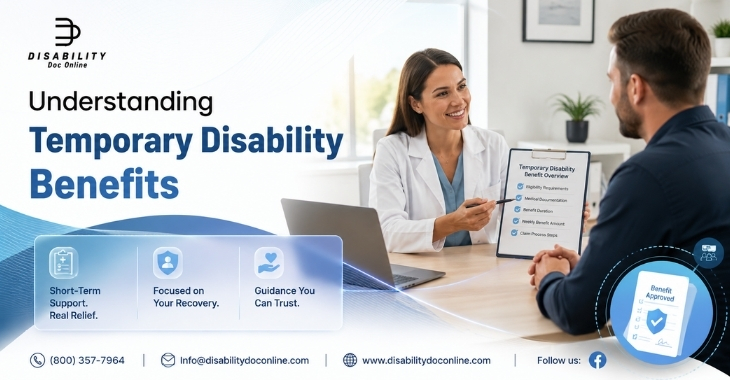
Learn about temporary disability benefits, the role of a Washington PFML Doctor, and how a Washington Paid Family Medical Leave Doctor can help with medical documentation.

A serious illness, injury, surgery, or medical condition can temporarily prevent someone from performing their regular work duties. During these challenging times, temporary disability benefits and medical leave programs may provide important support while individuals focus on their recovery. Although the application process can seem confusing, understanding how temporary disability benefits work can make it much easier to prepare. Medical evaluations and appropriate documentation often play a central role in determining eligibility for leave or other benefits.

Today, telehealth has made these evaluations more accessible than ever. Many individuals can consult with a Washington PFML Doctor through secure virtual appointments, allowing them to receive professional medical assessments without the inconvenience of traveling to a clinic. If you live in Washington, this guide explains temporary disability benefits, the importance of medical documentation, and how working with a Washington Paid Family Medical Leave Doctor can help simplify the process.

What Are Temporary Disability Benefits?

Temporary disability benefits are designed to provide financial or employment-related support for individuals who are temporarily unable to work because of a qualifying medical condition. Unlike permanent disability programs, temporary disability generally applies when a healthcare provider believes the individual may be able to return to work after treatment or recovery.

Depending on the specific program and individual circumstances, temporary disability may relate to:

  • Recovery after surgery
  • Serious illness
  • Physical injuries
  • Pregnancy-related medical conditions
  • Certain mental health conditions
  • Other qualifying medical situations

Eligibility requirements vary depending on the applicable program and governing regulations.

The Importance of Medical Documentation

Medical documentation is one of the most important parts of any temporary disability or medical leave request.

Healthcare providers evaluate your medical condition and document information such as:

  • Diagnosis (when appropriate)
  • Medical history
  • Current symptoms
  • Functional limitations
  • Treatment plan
  • Expected recovery period
  • Work-related restrictions

This documentation helps employers or benefit administrators understand how your medical condition affects your ability to perform your job responsibilities. Patients throughout Washington benefit from preparing complete and organized medical records before their evaluation.

What Does a Washington PFML Doctor Do?

A Washington PFML Doctor evaluates your medical condition to determine whether medical documentation supporting Paid Family and Medical Leave (PFML) or another qualifying leave request is appropriate based on clinical findings.

During your evaluation, your physician may:

  • Review your medical history
  • Discuss your current symptoms
  • Evaluate your functional limitations
  • Review available medical records
  • Assess your ability to perform work-related activities
  • Complete appropriate medical certification when clinically supported

Every evaluation is individualized because each patient’s medical condition and recovery needs are different.

Understanding Washington Paid Family Medical Leave

The Washington Paid Family Medical Leave Doctor plays an important role in the certification process by providing objective medical information when a patient has a qualifying health condition.

Depending on the reason for leave, the physician may document:

  • Serious health conditions
  • Medical restrictions
  • Recovery expectations
  • Recommended leave duration
  • Functional limitations

The physician’s responsibility is to provide medically accurate documentation—not to approve or deny benefits. Benefit eligibility decisions are made by the appropriate program administrators according to applicable requirements.

Common Reasons Patients Seek Temporary Medical Leave

People may require temporary leave for many different medical situations.

Some common examples include:

Recovery After Surgery

Patients often need time away from work while recovering from surgical procedures.

Serious Medical Conditions

Certain illnesses may temporarily prevent someone from safely performing their regular job duties.

Mental Health Conditions

Some individuals experiencing qualifying mental health conditions may require temporary leave when supported by appropriate medical evaluation.

Pregnancy-Related Medical Needs

Healthcare providers may recommend temporary work restrictions or leave depending on the individual’s medical circumstances. Each situation is evaluated individually based on medical evidence and clinical judgment.

Preparing for Your Medical Evaluation

Being prepared before your appointment helps your physician complete a more thorough evaluation.

Before meeting with a Washington PFML Doctor, gather:

  • Medical records
  • Specialist reports
  • Hospital discharge summaries
  • Imaging results
  • Medication list
  • Previous treatment records
  • Physical therapy documentation
  • Employer forms, if applicable

Having organized documentation allows your physician to better understand your medical history.

Write Down Your Symptoms

Preparing notes beforehand helps ensure important details aren’t forgotten during the appointment.

Be Honest About Your Limitations

Describe how your condition genuinely affects your daily activities and work responsibilities.

Benefits of Online Medical Evaluations

Telehealth has made disability and medical leave evaluations significantly more convenient.

Virtual appointments offer several advantages:

  • No travel required
  • Flexible scheduling
  • Reduced waiting times
  • Convenient home appointments
  • Secure document sharing
  • Improved accessibility for patients with mobility limitations

Patients across Washington increasingly choose virtual evaluations because they save time while maintaining professional medical care.

What Happens After the Evaluation?

After your appointment, your physician may:

  • Review additional medical documentation
  • Complete appropriate certification forms
  • Recommend follow-up care
  • Request additional medical information if needed
  • Coordinate with your treating healthcare providers when appropriate

The timeline varies depending on your individual medical history and documentation requirements. Maintaining communication with your healthcare provider helps ensure the process continues smoothly. At Disability Doc Online, physicians provide comprehensive telehealth evaluations designed to support patients through the medical certification process with professionalism and compassionate care.

Common Misconceptions About Temporary Disability Benefits

Several misunderstandings often create unnecessary confusion.

“My Doctor Automatically Approves Benefits”

Healthcare providers complete objective medical documentation based on clinical findings. They do not determine benefit eligibility.

“Only Physical Injuries Qualify”

Some qualifying medical conditions may involve physical illnesses, while others may involve mental health conditions or recovery after surgery, depending on applicable program requirements.

“I Don’t Need Medical Records”

Supporting documentation often helps physicians better understand your condition and complete accurate evaluations. Understanding these distinctions helps set realistic expectations.

Tips for a Smooth Certification Process

To prepare for your appointment:

  • Schedule your evaluation as early as possible.
  • Gather complete medical records.
  • Prepare a medication list.
  • Bring any employer-required forms.
  • Test your internet connection before virtual appointments.
  • Choose a quiet location.
  • Answer all questions honestly.
  • Ask questions if you need clarification.
  • Follow all post-appointment instructions.
  • Keep copies of completed documentation.

Good preparation helps make the process more efficient.

Frequently Asked Questions

1. What are temporary disability benefits?

Temporary disability benefits may provide financial or employment-related support for eligible individuals who are temporarily unable to work because of a qualifying medical condition.

2. What does a Washington PFML Doctor do?

A Washington PFML Doctor evaluates your medical condition, reviews your health history, and completes appropriate medical certification for qualifying leave requests when clinically supported.

3. What is a Washington Paid Family Medical Leave Doctor?

A Washington Paid Family Medical Leave Doctor provides medical evaluations and documentation that may be required for Paid Family and Medical Leave certification, based on professional clinical findings.

4. What documents should I prepare before my appointment?

Bring medical records, specialist reports, hospital summaries, imaging results, medication lists, treatment records, and any forms required by your employer or leave program.

5. Can temporary disability evaluations be completed online?

Yes. Many eligible patients can complete evaluations through secure telehealth appointments, depending on their circumstances and provider availability.

6. Does medical certification guarantee approval for benefits?

No. Physicians provide objective medical documentation. Eligibility decisions are made by the appropriate leave program or benefits administrator.

7. Can mental health conditions qualify for temporary medical leave?

Depending on the circumstances and applicable program requirements, certain mental health conditions may qualify when supported by appropriate medical evaluation.

8. How long does a medical leave evaluation usually take?

Appointment length varies depending on your medical history, documentation needs, and the complexity of your condition.

9. What happens after the evaluation?

Your physician may complete appropriate medical documentation, request additional information if needed, recommend follow-up care, or coordinate with your treating healthcare providers.

10. Why choose Disability Doc Online?

Disability Doc Online offers secure telehealth evaluations, experienced physicians, compassionate patient care, and professional assistance with medical leave and disability-related documentation, making the evaluation process more convenient and accessible.

Final Thoughts

Temporary disability benefits can provide valuable support when a qualifying medical condition prevents you from working for a period of time. Understanding the evaluation process, preparing your medical records, and working with an experienced Washington PFML Doctor can help simplify the certification process while ensuring your physician has the information needed to complete accurate medical documentation.

Whether you’re seeking guidance from a Washington Paid Family Medical Leave Doctor or preparing for your first medical leave evaluation, telehealth offers a convenient way to receive professional care without unnecessary travel. For patients throughout Washington, virtual medical evaluations continue to improve access to compassionate, high-quality healthcare while simplifying the temporary disability documentation process.

Schedule Your Virtual Medical Leave Evaluation Today

If you need an experienced Washington PFML Doctor, Disability Doc Online provides secure telehealth evaluations, professional medical assessments, and assistance with medical certification when clinically appropriate. Whether you’re seeking support from a Washington Paid Family Medical Leave Doctor or need documentation for a qualifying medical condition, our experienced physicians are committed to providing compassionate, patient-centered care throughout every step of the evaluation process.

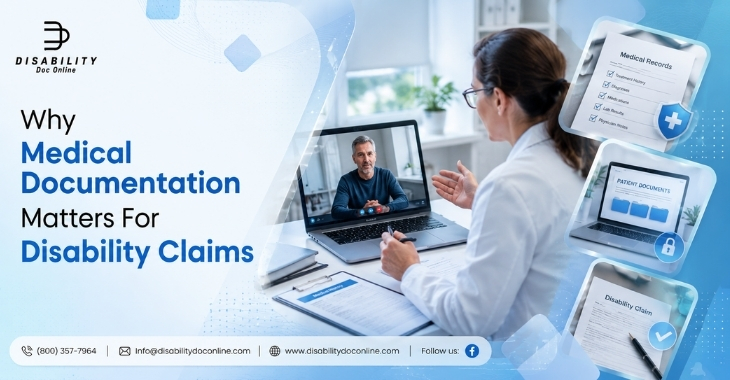
Learn why accurate medical documentation is essential for disability claims and how an Online Disability Doctor Washington and Disability Paperwork Doctor can help.

When applying for disability benefits or requesting disability-related accommodations, one of the most important parts of the process is medical documentation. While application forms and personal statements provide valuable information, medical records offer objective evidence of your health condition, treatment history, and how your condition affects your ability to perform everyday activities.

Without clear and accurate documentation, it may be difficult for organizations reviewing your claim to fully understand the impact of your medical condition. That’s why working with an experienced Online Disability Doctor Washington is an important step for many individuals seeking disability-related evaluations and documentation.

Telehealth has made disability evaluations more accessible than ever. Instead of traveling to multiple appointments, eligible patients can connect with qualified physicians remotely, receive comprehensive evaluations, and obtain medically appropriate documentation from the comfort of home. If you’re located in Washington, understanding why medical documentation matters can help you better prepare for the disability evaluation process and ensure your healthcare provider has the information needed to complete an accurate assessment.

What Is Medical Documentation?

Medical documentation is the collection of healthcare records that describe your medical condition, diagnosis, treatment history, symptoms, medications, clinical findings, and functional limitations.

These records may include:

  • Physician consultation notes
  • Hospital records
  • Diagnostic imaging reports
  • Laboratory test results
  • Specialist evaluations
  • Surgical reports
  • Physical therapy documentation
  • Medication history
  • Treatment plans
  • Functional assessments

Together, these documents help create a complete picture of your overall health.

Why Medical Documentation Is So Important

Medical documentation provides objective clinical information rather than relying solely on personal descriptions of symptoms.

Healthcare providers use medical records to evaluate:

  • The nature of your medical condition
  • How long symptoms have been present
  • Previous treatments
  • Response to treatment
  • Functional limitations
  • Current medical status

Comprehensive documentation helps physicians make informed medical assessments based on available evidence. Patients throughout Washington benefit from organized medical records when preparing for disability evaluations.

How Documentation Supports Disability Evaluations

An evaluation performed by an Online Disability Doctor Washington involves much more than discussing symptoms during a virtual appointment. The physician reviews available medical records alongside your current health concerns to understand how your condition affects daily functioning.

This combination of medical history and clinical discussion allows the physician to complete documentation that accurately reflects your condition when clinically appropriate.

Every Evaluation Is Individual

No two disability evaluations are exactly the same. Your physician considers your personal medical history, current symptoms, treatment records, and functional limitations before preparing documentation.

The Role of a Disability Paperwork Doctor

Many people assume a physician simply signs disability forms. In reality, a Disability Paperwork Doctor performs a professional medical evaluation before completing any documentation.

Their responsibilities typically include:

  • Reviewing medical history
  • Discussing symptoms
  • Evaluating functional limitations
  • Assessing current health status
  • Reviewing supporting medical records
  • Completing appropriate documentation based on clinical findings

Their role is to provide objective medical information—not to guarantee disability approval. Understanding this distinction helps patients develop realistic expectations throughout the process.

Common Types of Medical Documentation

Depending on your situation, different forms of documentation may be required.

Examples include:

Physician Evaluation Reports

These summarize your medical condition and clinical findings.

Functional Limitation Documentation

These describe how your condition affects daily activities or work-related tasks.

Medical Leave Documentation

Some patients require documentation supporting temporary leave from work when medically appropriate.

Ongoing Treatment Records

These demonstrate continued medical care and treatment progression over time. Your healthcare provider determines which documentation is appropriate based on your evaluation.

How to Strengthen Your Medical Documentation

Preparing before your appointment can improve the quality and completeness of your evaluation.

Helpful preparation includes:

  • Organizing previous medical records
  • Preparing a current medication list
  • Collecting imaging and laboratory reports
  • Bringing specialist recommendations
  • Documenting symptom history
  • Writing down daily functional challenges

The more complete your medical information, the easier it is for your physician to understand your overall health.

The Importance of Honest Communication

During your disability evaluation, honesty is essential. Your physician depends on accurate information to perform a fair and thorough medical assessment.

Be prepared to discuss:

  • Current symptoms
  • Daily limitations
  • Pain levels
  • Mobility challenges
  • Previous treatments
  • Medication use
  • Work-related difficulties
  • Activities affected by your condition

Avoid exaggerating symptoms, but don’t minimize legitimate difficulties either. Providing clear, truthful information allows your physician to complete accurate documentation supported by clinical evidence.

Why Telehealth Makes the Process Easier

Modern telehealth services have simplified disability evaluations for many patients.

Working with an Online Disability Doctor Washington offers several advantages:

  • Reduced travel
  • Convenient scheduling
  • Secure virtual appointments
  • Easier document sharing
  • Greater accessibility for individuals with mobility limitations
  • Comfortable home-based evaluations

For many patients, virtual healthcare removes barriers that previously made disability evaluations more difficult. Patients across Washington increasingly choose telehealth because it offers professional care without unnecessary travel.

Common Mistakes to Avoid

Several common mistakes can delay the disability documentation process.

Avoid:

  • Missing scheduled appointments
  • Forgetting medical records
  • Providing incomplete health history
  • Leaving out specialist reports
  • Waiting until paperwork deadlines
  • Assuming documentation guarantees claim approval
  • Not asking questions during your appointment

Preparing carefully helps your evaluation proceed more efficiently.

At Disability Doc Online, patients receive compassionate telehealth evaluations designed to simplify disability documentation while maintaining high professional standards and individualized care.

What Happens After the Evaluation?

Following your appointment, your physician may:

  • Review additional medical records
  • Complete applicable documentation
  • Recommend follow-up evaluations
  • Request additional information if necessary
  • Coordinate with your existing healthcare providers when appropriate

Each case is unique, and documentation timelines vary depending on the complexity of the medical history and the specific paperwork required. Maintaining communication with your healthcare provider helps ensure the process continues smoothly.

Frequently Asked Questions

1. Why is medical documentation important for disability claims?

Medical documentation provides objective clinical evidence of your health condition, treatment history, and functional limitations, helping physicians complete accurate evaluations and supporting the overall disability review process.

2. What does an Online Disability Doctor Washington do?

An Online Disability Doctor Washington performs virtual medical evaluations, reviews your medical history, and completes disability-related medical documentation when clinically appropriate.

3. What is a Disability Paperwork Doctor?

A Disability Paperwork Doctor is a licensed physician who evaluates your medical condition and completes disability-related documentation based on professional clinical findings.

4. What medical records should I prepare before my evaluation?

Gather physician notes, hospital records, imaging reports, laboratory results, medication lists, specialist evaluations, therapy records, and previous treatment documentation.

5. Can disability evaluations be completed through telehealth?

Yes. Many eligible patients can complete disability evaluations securely through virtual telehealth appointments.

6. Does medical documentation guarantee disability approval?

No. Medical documentation supports your evaluation, but approval decisions are made by the appropriate agency, employer, insurer, or reviewing organization.

7. How can I improve my disability evaluation?

Prepare organized medical records, document your symptoms, provide accurate information, and discuss how your condition affects your daily activities.

8. Is an online disability evaluation confidential?

Yes. Reputable telehealth providers use secure platforms designed to protect patient privacy and confidential medical information.

9. What happens after the evaluation?

Your physician may review additional records, complete appropriate documentation, recommend follow-up care, or request further medical information if necessary.

10. Why choose Disability Doc Online?

Disability Doc Online offers secure telehealth disability evaluations, experienced physicians, compassionate patient care, and professional assistance with disability-related medical documentation, making the evaluation process more convenient and accessible.

Final Thoughts

Medical documentation is one of the most important components of the disability evaluation process. Comprehensive medical records help physicians understand your condition, evaluate functional limitations, and complete accurate documentation based on professional clinical findings.

Working with an experienced Online Disability Doctor Washington provides convenient access to virtual evaluations while reducing travel and administrative stress. Whether you require disability-related documentation or assistance from a qualified Disability Paperwork Doctor, preparing organized medical records and communicating openly with your physician can help make the process more efficient. For patients throughout Washington, telehealth continues to make professional disability evaluations more accessible than ever before.

Schedule Your Online Disability Evaluation Today

If you’re looking for a trusted Online Disability Doctor Washington, Disability Doc Online provides secure telehealth evaluations, experienced physicians, and professional assistance with disability-related medical documentation. Whether you need support from a qualified Disability Paperwork Doctor or require a comprehensive medical evaluation, our team is committed to delivering compassionate, patient-focused care throughout every step of the process.

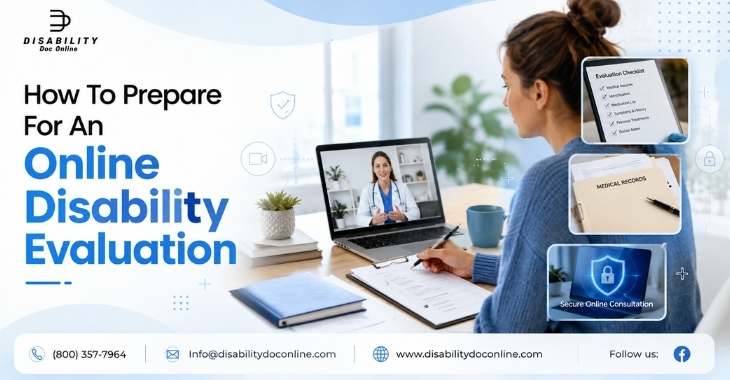
Learn how to prepare for an online disability evaluation with an Online Disability Doctor Washington. Get tips on documents, technology, and working with a Disability Paperwork Doctor.

Applying for disability benefits can feel overwhelming, especially if it’s your first time navigating the process. Besides completing forms and gathering medical records, many applicants also need a professional medical evaluation to support their disability claim. Fortunately, telehealth has made this process more convenient than ever.

Instead of traveling to a clinic, eligible individuals can now connect with an Online Disability Doctor Washington from the comfort of their own home. Online disability evaluations save time, reduce travel stress, and make healthcare more accessible for people with mobility limitations or chronic medical conditions.

However, preparing properly for your appointment is essential. Being organized helps your physician conduct a thorough evaluation while ensuring the information needed for your disability documentation is accurately collected. If you’re planning to schedule an appointment with an Online Disability Doctor Washington, this guide explains everything you should do before, during, and after your evaluation.

Why Preparation Matters

An online disability evaluation is more than a routine virtual appointment. It allows your physician to understand your medical history, current health condition, functional limitations, and how your condition affects your daily life. The more prepared you are, the smoother your appointment will be.

Proper preparation helps:

  • Reduce appointment delays
  • Improve communication with your physician
  • Ensure important medical information isn’t overlooked
  • Support accurate disability documentation
  • Make the evaluation process less stressful

Patients throughout Washington are increasingly choosing virtual disability evaluations because they offer greater flexibility while maintaining professional medical standards.

Understand the Purpose of the Evaluation

Before your appointment, it’s helpful to understand what an online disability evaluation is designed to accomplish. The physician’s role is to assess your medical condition, review your available documentation, discuss your symptoms, and evaluate how your health affects your ability to perform everyday activities. Depending on your situation, the evaluation may contribute to disability-related medical documentation or paperwork.

Every Evaluation Is Individual

No two disability evaluations are exactly alike. Your physician will focus on your specific medical history and current functional limitations rather than following a one-size-fits-all process.

Gather Your Medical Records

One of the most important preparation steps is organizing your medical information before your appointment.

Helpful documents may include:

  • Previous medical records
  • Specialist reports
  • Hospital discharge summaries
  • Imaging reports
  • Laboratory results
  • Current medication list
  • Previous treatment plans
  • Therapy records
  • Surgical history

Having these documents available allows your physician to better understand your health history.

Keep Records Organized

Arrange documents in chronological order whenever possible.

Make Digital Copies

If records are stored electronically, keep them easily accessible during your appointment.

Prepare Your Symptom History

During your evaluation, you’ll likely discuss how your medical condition affects your daily life.

Before your appointment, consider writing down:

  • When symptoms first began
  • How symptoms have changed over time
  • Activities that worsen symptoms
  • Treatments you’ve already tried
  • Current limitations
  • Daily challenges caused by your condition

These notes help ensure you don’t forget important details during your consultation.

Test Your Technology Before the Appointment

Because the evaluation takes place online, reliable technology is essential.

Before your appointment:

  • Test your internet connection.
  • Charge your phone, tablet, or laptop.
  • Check your camera and microphone.
  • Install any required telehealth software.
  • Keep your device plugged in if possible.

A few minutes of preparation can prevent unnecessary interruptions during your evaluation.

Choose a Quiet Location

Select a private space with minimal distractions where you can comfortably discuss your health.

Ensure Good Lighting

Good lighting helps your physician clearly see you during the video consultation if needed.

Be Ready to Discuss Daily Activities

One important part of many disability evaluations involves understanding how your condition affects everyday functioning.

Your physician may ask about:

  • Walking
  • Standing
  • Sitting
  • Lifting
  • Household activities
  • Personal care
  • Driving
  • Employment responsibilities
  • Sleep quality
  • Pain levels

Answer each question honestly and accurately based on your actual experiences. Avoid exaggerating symptoms, but also avoid minimizing the difficulties you face.

Understand the Role of a Disability Paperwork Doctor

Many applicants are unfamiliar with the responsibilities of a Disability Paperwork Doctor. Their role is to evaluate your medical condition, review supporting documentation, complete appropriate medical paperwork when applicable, and provide objective clinical information based on their professional assessment.

The physician’s responsibility is not to guarantee disability approval but to provide accurate medical documentation based on the evaluation findings. Understanding this helps set realistic expectations before your appointment.

Ask Questions During the Evaluation

Your appointment is also an opportunity to better understand the disability evaluation process.

Consider asking questions such as:

  • What additional documentation may be needed?
  • Are there any follow-up appointments required?
  • How will paperwork be completed?
  • When should I expect documentation?
  • Is additional medical information necessary?

Clear communication helps reduce uncertainty after your evaluation. At Disability Doc Online, physicians work with patients to provide professional telehealth disability evaluations while guiding them through the documentation process as clearly as possible.

What Happens After the Evaluation?

Once your evaluation is complete, your physician may review any remaining medical information before completing applicable documentation.

Depending on your situation, you may need to:

  • Submit additional records
  • Complete follow-up paperwork
  • Attend another appointment if necessary
  • Continue treatment with your existing healthcare providers

Every case is unique, so timelines may vary depending on the complexity of your medical history and documentation requirements. Patients throughout Washington appreciate the convenience of completing much of this process remotely through secure telehealth services.

Tips for a Successful Online Disability Evaluation

To make your appointment as productive as possible:

  • Log in 10–15 minutes early.
  • Have identification available if requested.
  • Keep your medical documents nearby.
  • Prepare a list of medications.
  • Write down your symptoms beforehand.
  • Use a quiet, private room.
  • Ensure your device is fully charged.
  • Answer questions honestly and completely.
  • Ask questions if anything is unclear.
  • Follow any post-evaluation instructions provided by your physician.

These simple steps can help your evaluation proceed smoothly.

Frequently Asked Questions

1. What is an Online Disability Doctor Washington?

An Online Disability Doctor Washington provides virtual medical evaluations through secure telehealth appointments for individuals who require disability-related medical assessments and documentation.

2. What should I prepare before my online disability evaluation?

Gather your medical records, medication list, specialist reports, imaging results, identification, and notes about your symptoms before the appointment.

3. What does a Disability Paperwork Doctor do?

A Disability Paperwork Doctor evaluates your medical condition and completes appropriate disability-related medical documentation based on professional clinical findings.

4. Do I need special equipment for a virtual evaluation?

You’ll generally need a reliable internet connection, a smartphone, tablet, or computer with a working camera and microphone.

5. How long does an online disability evaluation usually take?

Appointment lengths vary depending on your medical history and the complexity of your evaluation.

6. Can I discuss multiple medical conditions during my appointment?

Yes. Be prepared to discuss all medical conditions that affect your daily functioning so your physician has a complete understanding of your health.

7. Will my doctor review previous medical records?

Yes. Previous medical records often provide valuable information that helps physicians better understand your condition and medical history.

8. Is an online disability evaluation private?

Yes. Reputable telehealth providers use secure platforms designed to protect patient privacy and confidential medical information.

9. What happens after my evaluation?

Your physician may review any additional records, complete applicable documentation, recommend follow-up steps, or request additional information if necessary.

10. Why choose Disability Doc Online?

Disability Doc Online offers secure, convenient telehealth disability evaluations, experienced medical professionals, and compassionate support to help patients throughout the disability evaluation process.

Final Thoughts

Preparing for an online disability evaluation doesn’t have to be stressful. Gathering your medical records, organizing your health information, testing your technology, and understanding the purpose of the evaluation can make the process significantly easier.

Working with an experienced Online Disability Doctor Washington gives patients the convenience of receiving professional medical evaluations without unnecessary travel. Whether you need medical documentation, guidance through the evaluation process, or assistance from a qualified Disability Paperwork Doctor, proper preparation helps ensure your appointment is productive and efficient. Taking a few extra steps before your evaluation can make a meaningful difference in your overall experience.

Schedule Your Online Disability Evaluation Today

If you’re looking for a trusted Online Disability Doctor Washington, Disability Doc Online provides convenient telehealth evaluations designed to make the disability assessment process more accessible. Our experienced physicians carefully review your medical history, conduct professional virtual evaluations, and assist with disability-related medical documentation when appropriate. Contact Disability Doc Online today to schedule your secure online consultation.